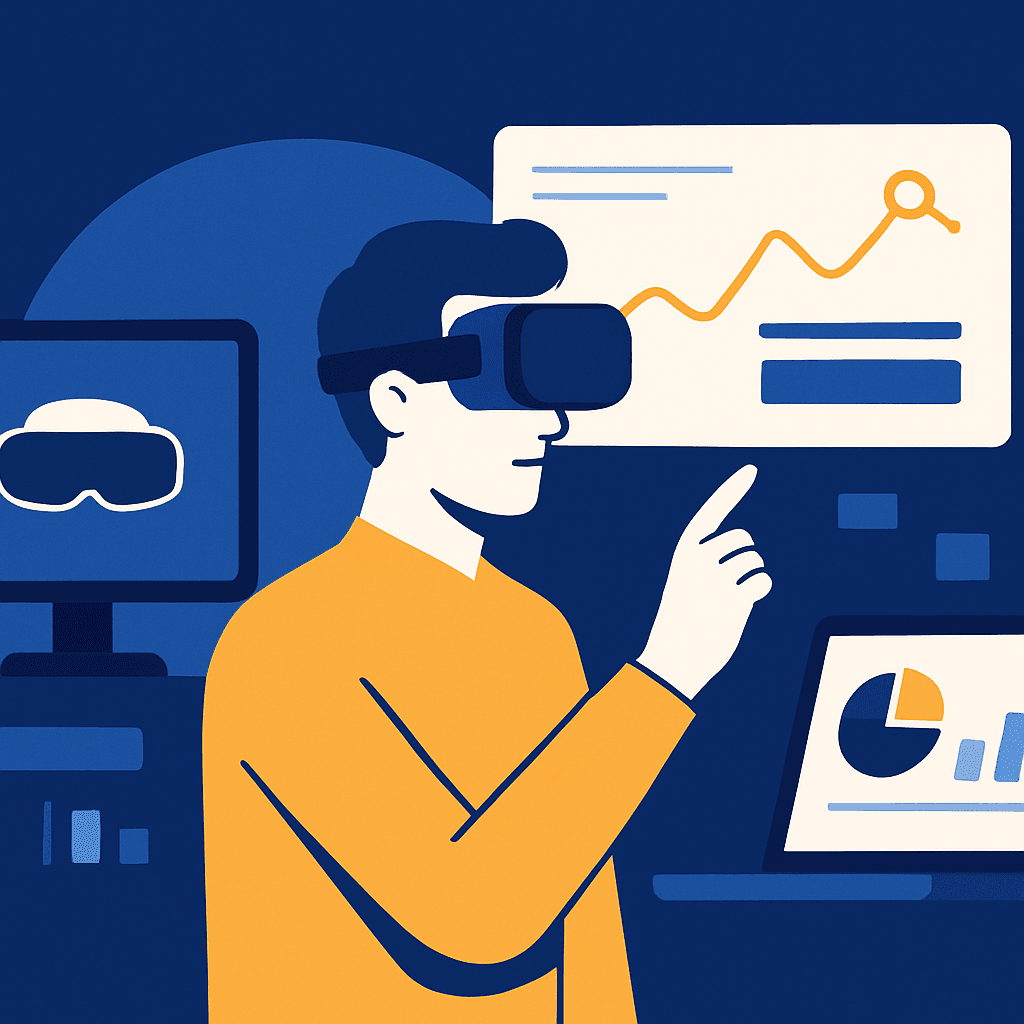
Harnessing Virtual Reality Training Solutions for Enterprise Success
In today's competitive business environment, enterprises are under constant pressure to innovate, adapt, and improve workforce capabilities. Virtual reality (VR) training solutions have emerged as a powerful tool for organizations aiming to enhance learning efficiency, reduce risk, and create immersive learning experiences that drive measurable business outcomes.
Why Virtual Reality Training Matters for Enterprises
VR training enables organizations to simulate real-world scenarios in a safe, controlled environment. This technology is particularly valuable in industries where hands-on experience is critical yet logistically challenging or high-risk, such as manufacturing, healthcare, energy, and automotive. By leveraging VR, companies can reduce training costs, improve employee engagement, and accelerate skills acquisition.
Strategic Benefits for C-Level Executives
For C-level executives and IT decision-makers, VR training aligns closely with broader digital transformation initiatives. The technology supports scalable training programs, data-driven performance analysis, and integration with enterprise learning management systems. Moreover, VR training can be combined with AI solutions to create adaptive learning environments that tailor content to individual learner needs.
Key Benefits Include:
- Risk Mitigation: Train employees for hazardous scenarios without exposing them to real-world dangers.
- Cost Efficiency: Reduce travel, equipment, and downtime expenses associated with traditional training.
- Consistent Quality: Deliver standardized training experiences across global teams.
- Data Insights: Gather performance metrics to refine training modules and improve outcomes.
Practical Guidance for Implementation
Successful VR training deployment requires a structured approach that considers technology, content, and change management. Below are actionable steps for executives and IT leaders:
1. Align VR Training with Strategic Goals
Identify the specific business challenges VR can address—whether it's improving safety compliance, reducing onboarding time, or enhancing customer service skills. Use tools like our Digital Transformation ROI Calculator to quantify potential benefits.
2. Integrate with Existing Digital Ecosystems
VR solutions should complement your existing digital workplace infrastructure. Consider integrating VR with platforms such as Microsoft Teams or SharePoint, supported by our Digital Workplace services, to enhance collaboration and accessibility.
3. Leverage AI for Adaptive Learning
Pair VR with AI implementation to create intelligent training modules that adjust in real-time based on learner performance. This ensures employees receive personalized feedback and targeted skill development.
4. Ensure Security and Compliance
VR training often involves sensitive data, especially in healthcare or financial services. Work with our Security Services team to establish robust data protection protocols and regulatory compliance measures.
Industry Applications
VR training is making a significant impact across multiple sectors:
- Healthcare Solutions: Simulate surgical procedures, patient interactions, and emergency response drills.
- Manufacturing: Train workers on equipment handling, assembly processes, and safety protocols.
- Energy Sector: Prepare teams for hazardous field operations and maintenance activities.
- Automotive: Enhance design collaboration, assembly training, and quality assurance processes.
Measuring Success
To ensure ROI, organizations should establish KPIs such as reduced training time, improved assessment scores, decreased incident rates, and enhanced employee satisfaction. Data gathered from VR sessions can be analyzed with our Analytics Suite to continuously refine training strategies.
Conclusion
Virtual reality training solutions are no longer experimental—they are a proven, strategic investment in workforce development and operational excellence. By aligning VR initiatives with enterprise goals, integrating them into existing digital ecosystems, and leveraging AI-driven personalization, executives can position their organizations at the forefront of innovation. As the technology continues to evolve, those who adopt VR training early will gain a decisive competitive edge.
Ready to ship AI in your organization?
We build one workflow into a working tool in two weeks. You pay $10,000 only after every acceptance criterion you signed off on is met.
One workflow · Two-week build · $10,000, paid on delivery
QueryNow
QueryNow deploys production AI for enterprises on Azure, AWS, or Google Cloud. Founded in 2014, we help pharma, healthcare, manufacturing, and financial services organizations deploy governed AI systems. We build it, you pay when it works.
Learn more about us →