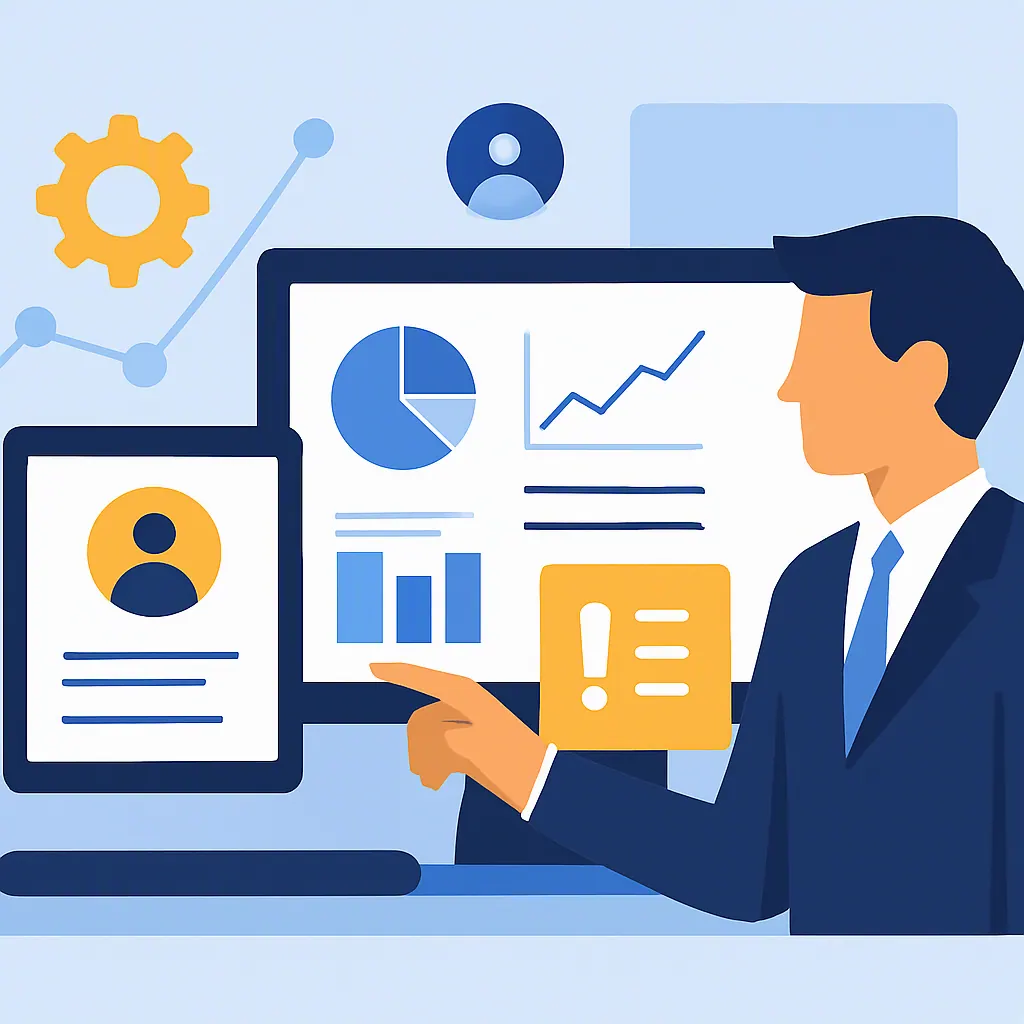
When a manager opens a performance review, a succession slate, and an internal mobility screen, the same employee can appear three different ways. One system shows a title. Another shows a course history. A third shows a compensation change that happened months ago, long after the work changed. Talent management platforms matter because workforce decisions are still made this way, and because the cost of bad decisions lands on retention, internal mobility, and trust.
Talent management platforms are useful only when they make the workforce record current, inspectable, and governable. If they do not connect the systems of record, show the evidence behind each skill or risk signal, and keep a human in control of consequential actions, they produce a prettier version of the same weak decision making.
Most organizations have plenty of HR software and very little workforce data they can trust. They are trying to manage skills, deployment, development, and retention through processes spread across recruiting, onboarding, performance reviews, learning, compensation, succession, workforce planning, and offboarding. Those processes move on different clocks, with different owners, and different incentives. Annual review cycles and headcount plans do not match the pace at which projects shift, skills age, and employees reassess whether they want to stay.
The result is familiar to anyone who has owned HR systems or operating reviews. HR holds the platform. Managers hold the staffing choice. Finance holds headcount. Legal and compliance hold the risk. Nobody holds the full chain from signal to intervention. That fragmentation explains why talent programs often look active without getting materially better.
The data problem is just as stubborn. Job titles are poor proxies for skills. Skill records are often incomplete, inferred, or stale. Performance data can reproduce past bias. Attrition labels are messy because a resignation recorded as voluntary may hide workload, pay, manager quality, or location constraints. On top of that, employee data is split across HR, learning, recruiting, scheduling, project, and collaboration systems, each with its own identity rules and retention policy. A platform built on that base will only be as reliable as the joins underneath it.
There is also a reason people hesitate to make this more visible. Managers do not always want to document weak performance or likely turnover if the process creates extra work or reputational risk. Employees do not always disclose skills, preferences, or dissatisfaction if they suspect the company will use the information against them. Vendors often sell prediction as if precision alone were the point, while underweighting fairness, explanation, and whether any intervention actually improves an outcome.
The better systems solve for the record first. They connect core HR, recruiting, learning, performance, compensation, scheduling, project history, and internal mobility data through shared employee and job identifiers. They normalize job and skill taxonomies, preserve effective dates, and retain lineage so the system can show where a skill claim came from and when it was last seen. When a manager asks who can staff a project, the answer should be traceable to a resume entry, a completed course, a certification, a project ticket, or an updated profile, not to a hidden score.
For the same reason, retrieval often matters more than opaque ranking. A retrieval index over resumes, job descriptions, project records, learning content, and certifications can answer a practical question such as which employees have demonstrated a capability, while showing the evidence and its date. That makes the system easier to challenge and correct. It also reduces the chance that an outdated title or a single manager note becomes the hidden basis for deployment decisions.
Once the data is connected, the platform can do work that most organizations still do manually or not at all. It can compare current skills and capacity against planned projects, technology changes, and location constraints. It can identify emerging gaps and route them into hiring, reskilling, contracting, or redeployment decisions. It can estimate relative attrition risk using tenure, compensation changes, mobility history, workload proxies, engagement surveys, and absence patterns, but only as a cue for human review. It can recommend internal roles, mentors, courses, or successors, provided it exposes the trade-offs instead of pretending there is one correct answer.
Many deployments stop at the prediction. A flight-risk score only reduces turnover if someone acts on it, and a drafted development plan still needs a manager to hold the conversation. The missing layer is workflow orchestration: notify the manager, request employee confirmation, place the case in a review queue, track the intervention, and measure what happened next.
A 2025 systematic review in Discover Global Society examined 13 peer-reviewed articles on AI in workforce planning and found that most of the research was conceptual. A separate 2024 review of 29 articles published from 2015 to 2024 grouped AI use in talent management into recruitment and selection, performance analysis, employee development and strategic implementation. That is a useful body of work, but it does not show that every platform raises retention or lowers cost.
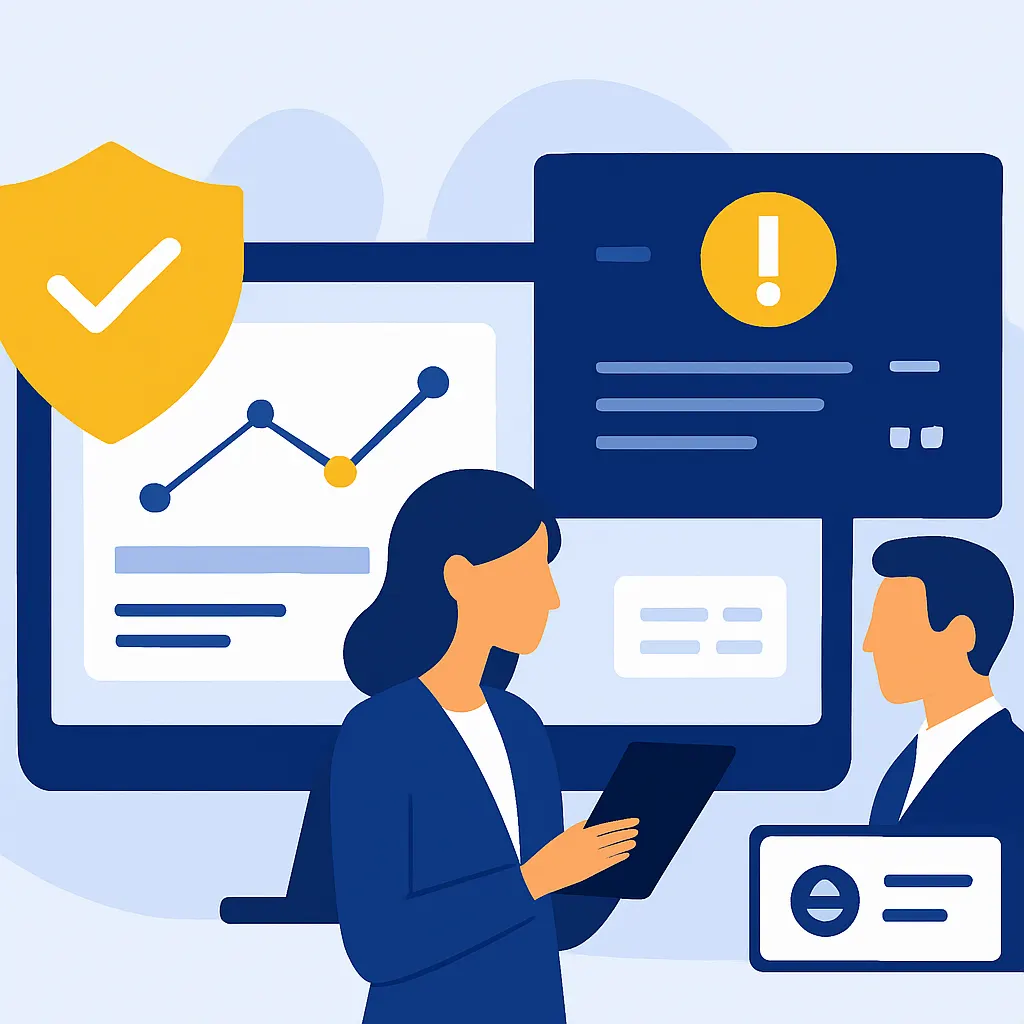
The control surface matters as much as the model. Human accountability has to stay with the employer, not the vendor. Notice, explanation, appeal paths and regular bias testing keep the platform from drifting into automated discrimination by way of stale data and convenient shortcuts. UK government guidance on AI-enabled recruitment names bias, digital exclusion, and discriminatory job advertising and targeting as risks, and points to AI assurance and technical standards as ways to manage them.
There is a practical order to doing this well. First, connect the records and fix identity. Second, expose the evidence behind skills, risk, and recommendations. Third, put human approval and audit logging around any consequential action. Fourth, monitor selection rates, error patterns, and recommendation exposure across relevant groups. Fifth, recheck the system after reorganizations, new job families, or a change in how data is collected. Without that sequence, the platform becomes a faster way to repeat old mistakes.
For leaders who want to go deeper on how governed AI gets into production without turning into a pilot that stalls, the useful questions are which decision needs better evidence, what data supports it, and who is accountable when a recommendation becomes action. This free paper walks through how to answer them.
QueryNow works from that same premise: tell us the workflow you want gone, and we will build it in your environment against acceptance criteria you sign off on. If you want to start with a governed talent workflow, build it with QueryNow.
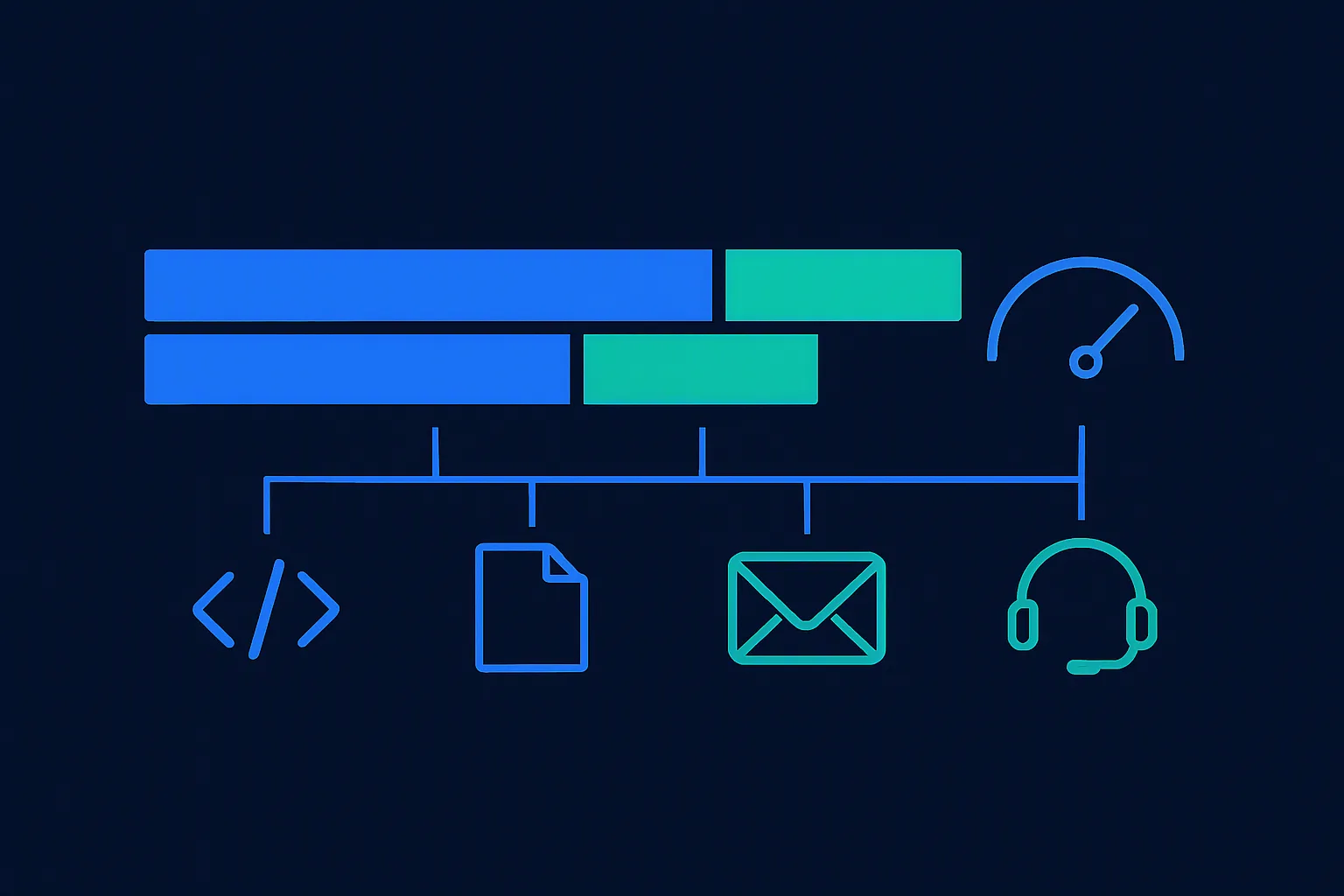
- 01Source systemsCollect the workforce records that already exist across HR, recruiting, learning, and operations.
- Core HR or human-capital management system
- Applicant tracking system
- Learning and performance systems
- 02Identity and normalizationMatch employee and job records, standardize taxonomies, and preserve effective dates and lineage.
- Identity resolution service
- Canonical employee and job model
- Data quality rules
- 03Skills and evidence indexExtract skills and related signals from documents and profiles so users can inspect the underlying evidence.
- Document store
- Retrieval index
- Natural language processing pipeline
- 04Decision intelligenceScore gaps, forecast demand, estimate attrition risk, and generate recommendations with explicit constraints.
- Rules engine
- Predictive model service
- Optimization layer
- 05Review and workflowRoute recommendations to managers and employees for confirmation before any consequential action is taken.
- Review queue
- Conversation and notification workflow
- Human approval step
- 06Audit and measurementRecord decisions, test fairness and drift, and track whether interventions improved the intended outcome.
- Audit log
- Evaluation dashboard
- Outcome measurement store
- Role-based identity and access control across all sensitive records
- Human approval required for promotion, compensation, termination, and similar actions
- Immutable audit logging with model version, data lineage, and reviewer identity
- Ongoing evaluation for bias, drift, and outcome impact
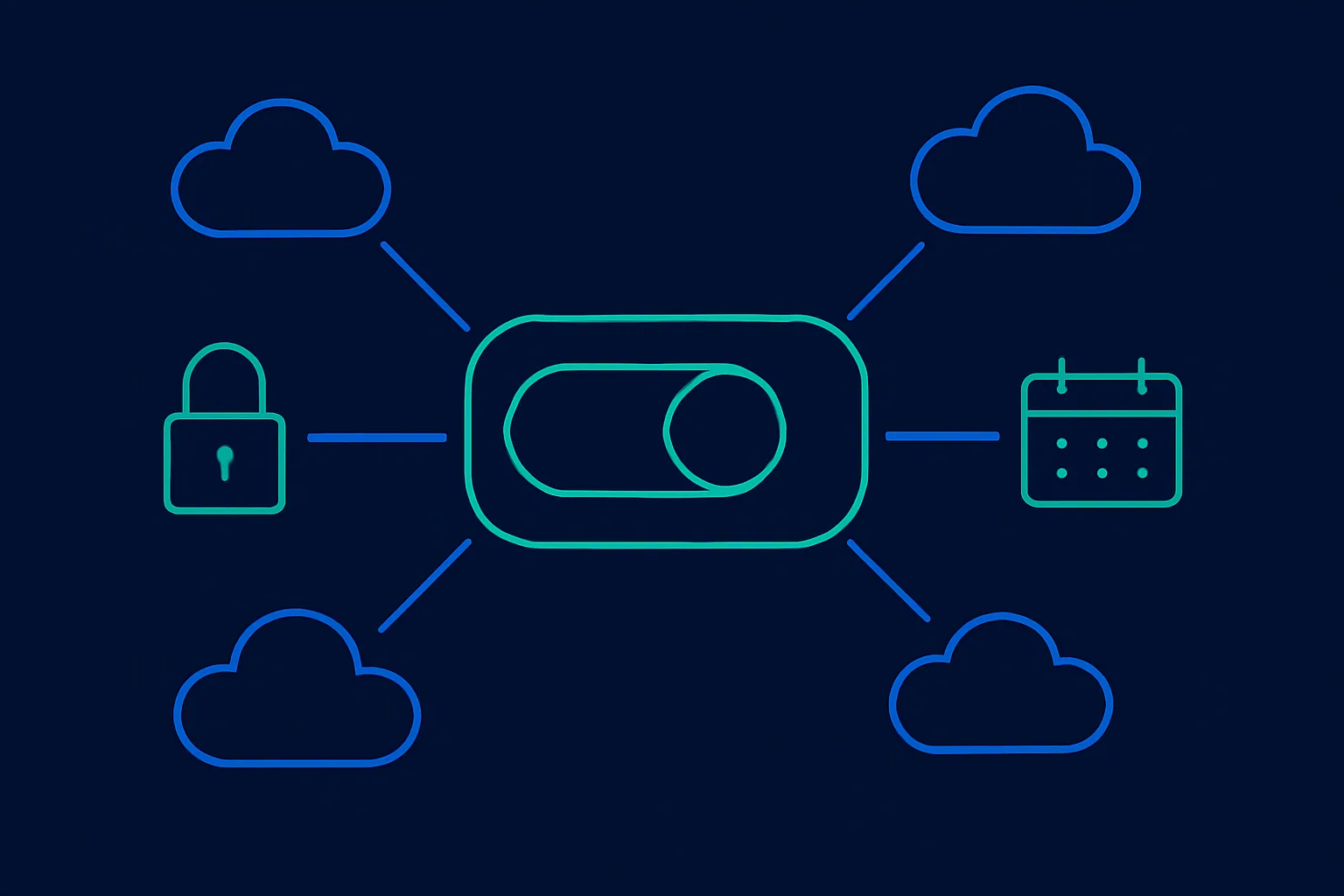
| Capability | Azure | AWS | Google Cloud |
|---|---|---|---|
| Data ingestion and event capture | Azure Data Factory | AWS Glue | Cloud Data Fusion |
| Document storage and lineage | Azure Data Lake Storage | Amazon S3 | Cloud Storage |
| Retrieval index and search | Azure AI Search | Amazon OpenSearch Service | Vertex AI Search |
| Workflow and approvals | Logic Apps | Step Functions | Workflows |
| Audit and monitoring | Azure Monitor | CloudWatch | Cloud Monitoring |
QueryNow leads AI transformation for enterprises in the US and Europe. Founded in Germany in 2014, we build the foundation enterprise AI runs on, and the agents that run on it, for pharma, healthcare, manufacturing and financial services organizations on Azure and AWS.
The Monday digest
The three posts worth your time each week, one paragraph each. From the people building production AI.